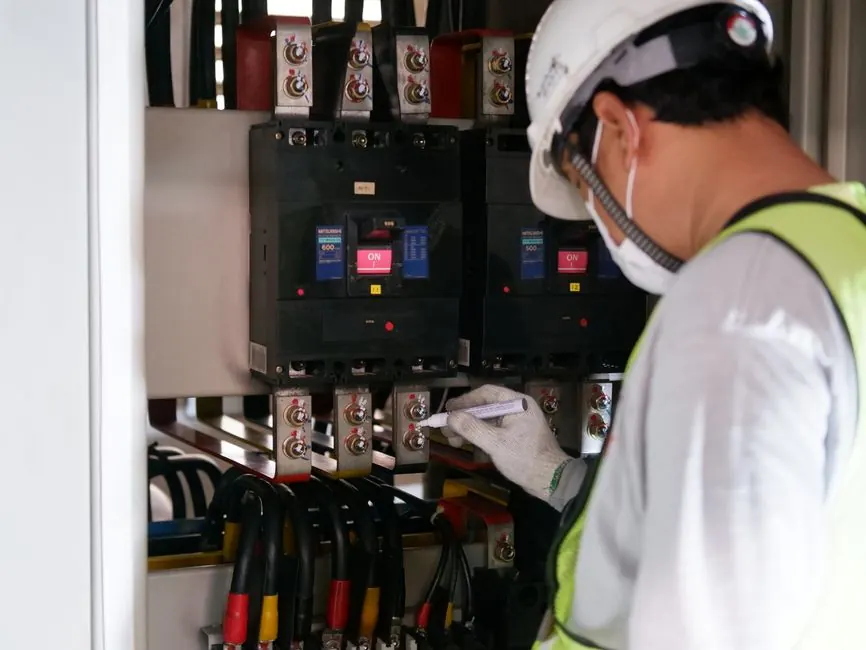
Experiencing frequent circuit breaker trips can be frustrating and inconvenient. This issue often signals underlying electrical problems that need addressing. In this article, we will explore the common causes of circuit breaker trips, how to identify them, and when it's essential to call in professionals in Joint Base.
Understanding Circuit Breakers
A circuit breaker is a safety device designed to protect your home's electrical system from overloads and short circuits. When too much current flows through a circuit, the breaker automatically cuts off the power to prevent damage. Understanding how your circuit breaker functions is crucial in diagnosing why it might be tripping frequently.
Common Reasons for Tripping
There are several reasons your circuit breaker may frequently trip, including:
- Overloaded Circuits: Too many devices on a single circuit can exceed its capacity.
- Short Circuits: Faulty wiring or damaged appliances can cause short circuits, leading to trips.
- Ground Faults: These occur when electricity escapes the circuit, often due to moisture or damaged insulation.
- Faulty Circuit Breaker: Sometimes, the breaker itself may be worn out or defective.
Signs of Overload
Overloaded circuits are a common culprit for tripping breakers. Signs include:
- Frequent tripping of the breaker.
- Flickering lights when multiple appliances are used.
- Warm or hot electrical outlets.
If you notice these symptoms, it may be time to consider electrical panel upgrades to better manage your power needs.
Faulty Circuit Breakers
Not all circuit breakers are created equal. If your breaker is old or has been tripping frequently, it may be malfunctioning. A faulty breaker can trip even when the circuit is not overloaded. In such cases, a replacement is necessary. If you suspect this, contact Joint Base circuit breaker replacement services to ensure safety and reliability.
Wiring Issues
Wiring problems are another significant cause of circuit breaker trips. Damaged or frayed wires can create short circuits, leading to frequent tripping. Additionally, improper wiring during renovations can overload circuits. Regular inspections can help identify these issues early on, especially in older homes around Lakehurst and McGuire, where wiring may not meet modern standards.
Common Mistakes to Avoid
When dealing with circuit breakers, homeowners often make several mistakes:
- Ignoring frequent trips instead of investigating the cause.
- Resetting the breaker without checking for underlying issues.
- Overloading outlets with multiple high-wattage devices.
Being aware of these mistakes can help you maintain a safer electrical system.
When to Call a Professional
If you find yourself frequently resetting your circuit breaker, it's time to call a professional. Issues like short circuits, faulty breakers, or wiring problems require expert attention. The team at Joint Base Electric Experts specializes in emergency electrical repairs and can help diagnose and resolve your issues effectively.
Frequently Asked Questions
Why does my circuit breaker trip when I use my microwave?
Microwaves draw a significant amount of power, which can overload the circuit if other high-wattage appliances are also in use. Ensure that your microwave is on a dedicated circuit.
How can I tell if my breaker is faulty?
Signs of a faulty breaker include frequent tripping without obvious overload, a burning smell, or visible damage. If you suspect a faulty breaker, contact a professional for replacement.
Can I replace a circuit breaker myself?
While it's possible, replacing a circuit breaker involves working with electricity, which can be dangerous. It's best to hire a qualified electrician to ensure safety and compliance with local codes.
What should I do if my breaker keeps tripping?
First, unplug devices on the affected circuit and reset the breaker. If it continues to trip, consult a professional electrician to diagnose the issue.
Is it safe to reset a tripped breaker multiple times?
Resetting a breaker occasionally is normal, but if it trips repeatedly, it indicates a problem that needs professional attention. Continual resetting can lead to further damage.